7 Emergency Accident Recovery Steps Every Driver Should Know

Last Updated: October 26, 2026
Quick Summary
Emergency accident recovery starts with checking yourself and passengers for injuries, then calling 911 if anyone is hurt or the scene is unsafe. Turn on your hazard lights, move drivable vehicles off the road, and get everyone behind a barrier before exchanging details, photographing the scene, and reporting to police and your insurer the same day.
Call 911 when there are injuries, fire risk, a spill, or the crash blocks live traffic.
Turn on four-way flashers the moment you stop and move people behind a concrete median or guardrail.
Swap name, phone, licence number, plate, registration, and insurer details, but never debate fault roadside.
Photograph the wide scene first, then vehicle corners, damage, ground, documents, and witnesses.
See a doctor within the first 24 hours even if you feel fine, then open your insurance claim.
Table of Contents
Emergency Accident Recovery Steps: What to Do First
Check for Injuries Before Anything Else
When to Call 911 and When to Move Your Vehicle
Car Accident Scene Safety: Hazards, Lights, and Traffic Flow
Match Your Safety Move to the Scene
Exchange Information and Talk to Witnesses
Car Accident Documentation: Photos, Witnesses, and the Police Report
The Capture Order That Works
Turn On Location and Timestamps
Back It Up the Same Day
The Police Report Is Part of Your File
Car Accident Checklist: The Printable Version You Keep in the Glovebox
If the Other Driver Leaves, Is Uninsured, or Refuses to Cooperate
The First 24 Hours After a Car Accident: Medical Care and Your Claim
Call SJ's Towing for Accident Recovery and Roadside Help
Frequently Asked Questions
Emergency Accident Recovery Steps: What to Do First
A crash happens in seconds, but what you do next shapes everything that follows. For a same-topic guide, see emergency roadside assistance for Brantford drivers. Emergency accident recovery steps for drivers are the actions you take in the first minutes after a collision to protect people, secure the scene, and start your claim on solid ground.
The first step is simple. Stop, breathe, and check yourself and your passengers before you touch anything else.
Check for Injuries Before Anything Else
Injuries come first, and everything else waits. Ask every passenger if they feel pain, and look for bleeding, dizziness, or confusion. Call 911 if anyone has serious injuries, is trapped, or cannot move safely.
Adrenaline hides pain. A common mistake is telling police you are fine when your neck or back already hurts. Say "I'm not sure yet" instead, and get checked by a doctor later.
When to Call 911 and When to Move Your Vehicle
Call 911 when there are injuries, a fire risk, a spill, or the crash blocks live traffic. Otherwise, move drivable vehicles to the shoulder or a nearby lot and turn on your hazard lights first.
Ontario's Highway Traffic Act requires you to report a collision to police when damage to any vehicle or property appears to exceed the provincial threshold. Check the current figure on the Ontario government's collision reporting page before you assume you can skip the report.
Car Accident Scene Safety: Hazards, Lights, and Traffic Flow
Car accident scene safety starts with one question: is the scene still live? A live scene is any location where moving traffic can reach a person or a vehicle.
Work through this order every time:
Hazards on before you open the door. Switch on your four-way flashers the moment you stop. If your vehicle is disabled in a live lane, leave the flashers running even if you exit.
Get people behind a barrier. A concrete median, a guardrail, or a ditch line is cover. The shoulder paint is not. Move everyone, including passengers who say they are fine, to the far side of the barrier away from traffic.
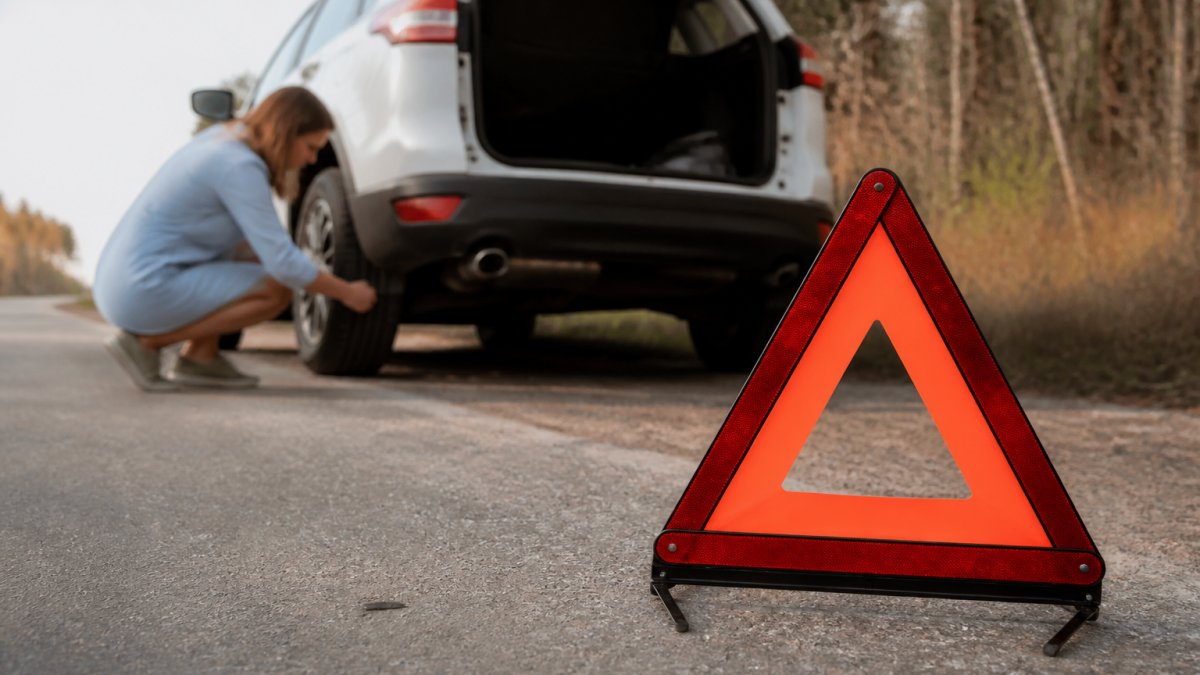
Set warning early, not close. If you carry a reflective triangle or cones, place them well back from the wreck so approaching drivers have time to change lanes. On a high-speed road, that means a long walk back, not a few steps. Never walk into a live lane to place a warning device.
Kill the ignition and watch for fire risk. If you smell fuel, see smoke, or hear hissing, get everyone well clear and call 911. Do not stand near the hood.
Do not stand between the vehicles. The gap between two stopped cars is where a third vehicle tends to slide in. Talk to the other driver from the shoulder or from behind a barrier, never from the lane.

Watch Out Secondary collisions are the most common way a minor crash becomes a serious one. Most happen because the first driver stayed in a live lane to inspect damage or exchange paperwork. If the vehicles are drivable and no one is hurt, move them off the road first and document afterward.
Match Your Safety Move to the Scene
Not every crash gets the same response. Use this quick triage before you do anything else:
Scene type | First move | Do not |
Serious injury, someone trapped, or unresponsive | Call 911, keep people still, do not move the injured unless there is fire | Move a casualty to "make room" |
Fire, smoke, fuel smell, or a spill | Get everyone well clear, call 911, warn approaching traffic from a safe distance | Stand near the vehicle or open the hood |
Vehicles drivable, no injuries, live lane | Hazards on, move to the shoulder or a nearby lot, then exchange details | Leave the cars in the lane to take photos |
Vehicles not drivable or blocking a lane | Hazards on, people behind a barrier, call police and a tow | Try to push a car in traffic |
Unsafe location (blind curve, crest of a hill, tunnel) | Get people out and behind cover, call 911, warn traffic if it is safe to do so | Stay in the car if it sits in a live lane |
Minor collision in a lot or quiet street | Move to a parking space, document, exchange details | Block the aisle while you talk |
If you are unsure which row you are in, treat it as the more serious one. Calling 911 and being told the situation is minor costs you a few minutes. Guessing wrong the other way can cost much more.
Key Takeaway Scene safety is a sequence, not a checklist: hazards on, people behind a barrier, warning set early, then talk. Do the sequence in that order and you remove most of the risk of a second crash.
Exchange Information and Talk to Witnesses
Swap the basics with the other driver: name, phone number, driver's licence number, licence plate, vehicle registration, and auto insurer with policy number. Do not debate fault at the roadside.
Then look for witnesses before they leave. Ask for names and phone numbers, and note where each person was standing. A witness who saw the crash from the sidewalk is worth more than ten guesses about what happened.
Car Accident Documentation: Photos, Witnesses, and the Police Report
Car accident documentation is your best protection at claim time, and most drivers do it in the wrong order. Take the wide shot before the close-up, capture the scene before the vehicles move, and lock the file down before you leave. A phone-based protocol beats a mental list every time.
The Capture Order That Works
Wide shot first. Stand well back and photograph the whole scene, including the street signs, lane markings, and the position of both vehicles. If you move the cars before this shot, you lose the only record of how the crash happened.
Four corners of each vehicle. Front, rear, and both sides, close enough to read the plates.
Damage close-ups. Every dent, crack, scrape, and broken light, with a second shot that includes something for scale.
The ground. Skid marks, debris, fluid trails, and the final resting position of any loose parts.
Documents. The other driver's licence, insurance card, and plate, plus your own.
Witnesses. Name, phone number, and where each person was standing when they saw it.
Turn On Location and Timestamps
Photos without context are weaker evidence. Before you shoot, check that your camera is saving location data and the correct time. If your phone asks to attach location to the photo, say yes.
If your phone does not stamp location, take one photo of a nearby street sign or address marker at the start of the set. That single frame anchors the rest.
Back It Up the Same Day
Digital evidence is easy to lose when a phone is upgraded, dropped, or wiped. Before you go to bed, do three things:
Move the photos and video into one folder named with the date.
Back that folder up to cloud storage or email it to yourself.
Write the collision report number and the other driver's policy number in a note in the same folder.
Pro Tip If the other driver refuses to be photographed or will not hand over documents, do not argue. Photograph their plate and vehicle from a safe distance, note the refusal in your phone, and let police or your insurer request the details. A calm note that says "driver declined to provide insurance card" is worth more than a confrontation.
The Police Report Is Part of Your File
If the collision meets the reporting threshold, get the collision report number before you leave the scene or from the reporting centre the same day. Add it to the same folder as the photos. Your insurer will ask for it, and a report number that matches your timeline makes the claim move faster.
Wide scene shot with street signs and lane markings
Four sides of each vehicle, plates readable
Close-ups of every dent, crack, and scrape
Key Takeaway Document in this order: wide scene, vehicle corners, damage, ground, documents, witnesses. Then confirm location and timestamps, back it all up, and add the collision report number to the same folder.
Car Accident Checklist: The Printable Version You Keep in the Glovebox
A car accident checklist turns panic into a routine. Print this, fold it, and keep it with your insurance card. In the moment, you will not remember all seven steps, and you will not need to.
Step | What to Do | When |
1 | Check yourself and passengers for injuries | Immediately |
2 | Call 911 if injuries, fire, or blocked lanes | First minutes |
3 | Turn on hazard lights, move to safety | First minutes |
4 | Exchange driver, plate, and insurance details | Once safe |
5 | Collect witness names and numbers | Before they leave |
6 | Photograph vehicles, damage, and scene | Before moving vehicles |
7 | Report to police and your insurer | Same day |
If the Other Driver Leaves, Is Uninsured, or Refuses to Cooperate
A hit-and-run does not end your claim. Note the plate, make, model, and direction of travel, then call police right away. If the other driver has no insurance or will not share details, stay in your car, keep the doors locked, and call 911.
Ontario has specific rules for crashes involving uninsured or unidentified drivers. Your own auto insurer handles these claims, so call your broker the same day and ask what your policy covers. Never chase a fleeing driver.
The First 24 Hours After a Car Accident: Medical Care and Your Claim
The first 24 hours after a car accident matter more than most drivers realize. See a doctor even if you feel fine, because delayed symptoms like whiplash and concussion often show up hours later. Then call your insurer to open the claim and get a claim number.
Keep every receipt, from the clinic visit to the tow. You can also view our Maximum Rate Schedule for towing and roadside services.
Call SJ's Towing for Accident Recovery and Roadside Help
A damaged vehicle needs a safe ride off the road, and that is where we come in. Our family-run team provides 24/7 accident recovery and roadside help across Hamilton, Burlington, Grimsby, Brantford, and Oakville. Learn what to expect for emergency towing response time.
You can get a quote for accident recovery before you need it, or review our full list of towing services in Hamilton & Burlington to see what we handle.
Frequently Asked Questions
What should I do immediately after a car accident?
Stop your vehicle, turn on your hazard lights, and check yourself and your passengers for injuries before anything else. If anyone is hurt or the scene is unsafe, call 911. If the vehicles are drivable and no one is injured, move them off the traffic lanes to a safe spot. Then exchange driver's licence, vehicle registration, and insurance information with the other driver, photograph the damage and scene, and collect witness contact details. Report the collision to police as required and notify your auto insurer.
When should I call emergency services after a crash?
Call 911 if anyone has injuries, if a vehicle is blocking live traffic, if there is fire, fuel spill, or downed debris, or if the other driver leaves the scene. For minor collisions with no injuries and drivable vehicles, you still need to report to police under provincial rules, but you can usually do that at a collision reporting centre rather than calling 911. When in doubt about injuries, call, because delayed symptoms are common after a crash.
What information should I exchange with the other driver?
Collect the other driver's name, phone number, driver's licence number, licence plate, vehicle make and model, and insurance company and policy number. Ask to see the insurance card rather than relying on a verbal policy number. Note the number of passengers in their vehicle and whether they admitted fault, but keep the conversation factual and avoid apologizing or negotiating blame at the roadside. Photograph their documents with your phone if they agree.
What should I do if my vehicle cannot be driven after an accident?
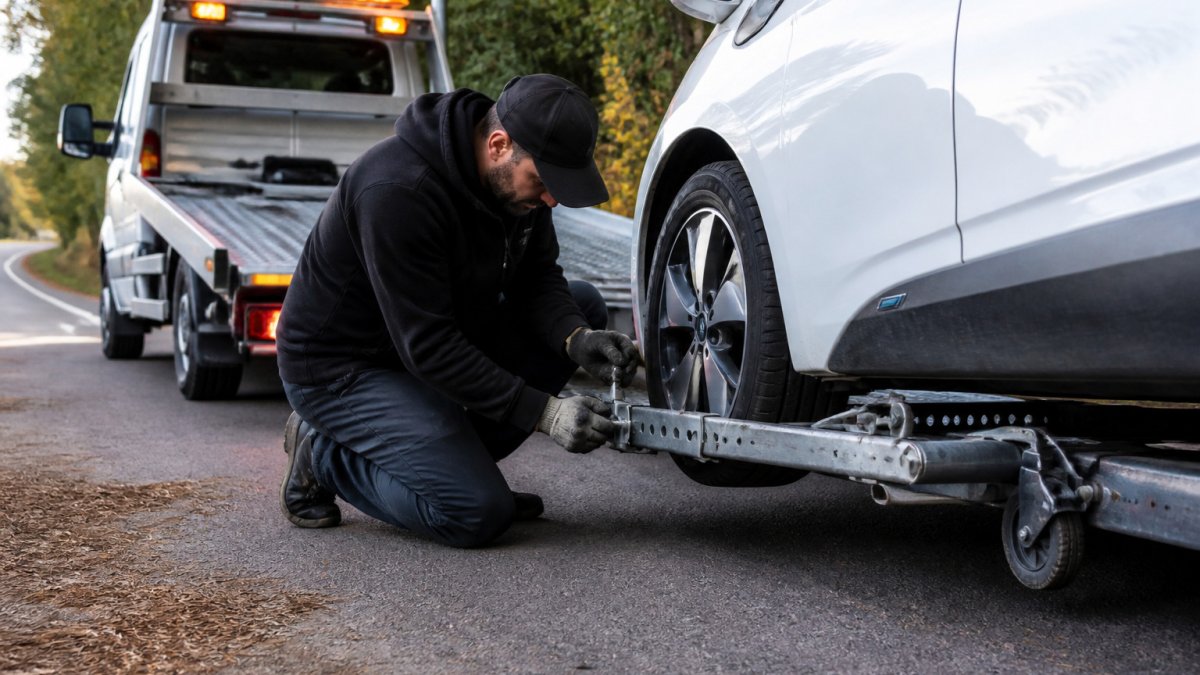
Get everyone out of the vehicle and well away from traffic, behind a barrier if one exists, then call for a tow. A professional accident recovery service can lift a non-drivable vehicle onto a flatbed and take it to your chosen repair shop or storage yard. Tell the dispatcher your exact location, direction of travel, and whether the vehicle is leaking fluid or blocking a lane. Stay clear of the vehicle until the tow truck arrives and follow the driver's instructions.
The next time a crash or breakdown stops your day, you should not have to guess who to call. SJ's Towing offers 24/7 service, fast and on-time arrival, and friendly help from a team that treats every vehicle like its own. Get started with SJ's Towing and get your car recovered safely.
GET A QUOTE
Add sjstowing.com as a preferred source on Google →
Comments