Emergency Towing Response Time: What to Expect

Last Updated: October 23, 2026
Quick Summary
Most urban service areas see a towing response time of 30 to 60 minutes, though busy highways, storms, and overnight calls can stretch that window. Plan on 30 to 60 minutes as a working baseline and treat anything faster as a bonus. A realistic range from dispatch is a better sign than a fast promise.
Every 10 kilometers of extra distance can add roughly 10 to 15 minutes in normal conditions.
A weekday rush hour call in a dense corridor can add 15 to 25 minutes to a base estimate.
In a sustained snow event, a normal 30 to 45 minute wait can stretch past 90 minutes.
Ask what the new window is, whether the same truck is assigned, and what happens if it slips again.
Note the time you called, the window given, and any updates to settle charge or delay disputes.
Table of Contents
Emergency Towing Response Time Expectations: The Basics
How Long to Wait for Roadside Assistance in Practice
Factors Affecting Tow Truck Arrival Time
Traffic, Weather, and Time of Day
Location and Service Area Coverage
How the Factors Stack: Realistic Scenarios
How Dispatch Estimates and Roadside Assistance ETA Updates Work
What to Ask When Your ETA Changes
What to Do While Waiting for a Tow Truck
Staying Safe Near Traffic
When the Promised ETA Is Missed: Next Steps
Conclusion
Frequently Asked Questions
Emergency Towing Response Time Expectations: The Basics
Emergency towing response time expectations describe how long a driver should reasonably wait for a tow truck after calling for help. Most urban service areas see trucks arrive within 30 to 60 minutes, though busy highways, storms, and overnight calls can stretch that window. At SJ's Towing, we tell every caller a realistic estimate beats a fast promise.
Here's what most guides get wrong. They quote one flat figure, as if every call is the same. It isn't.
Emergency towing is the dispatch of a tow truck to move a disabled, damaged, or unsafe vehicle, usually on short notice. The wait depends on where you are, what time it is, and how many trucks are already committed.
A few things drive the range:
Distance from the nearest available truck
Traffic conditions on the route to you
Weather, which slows every vehicle on the road
Priority level, since collision scenes and highway stops often jump the queue
Key Takeaway The single most useful number to ask for is not the arrival time itself. It's the dispatch window, meaning the range the operator is confident in. A range of 25 to 40 minutes is honest. A promise of "15 minutes" with no range is usually a guess.
How Long to Wait for Roadside Assistance in Practice
Plan on 30 to 60 minutes as a working baseline, and treat anything faster as a bonus. That's the practical answer to how long to wait for roadside assistance in most built-up service areas.
The real range is wider. A quiet suburban call at midday might see a truck in under half an hour. A highway breakdown at rush hour, or a call during a snow event, can run well past an hour.
What separates a smooth wait from a miserable one comes down to preparation:
Call as soon as the vehicle is safely off the travel lane
Give a precise location, not a rough one
Stay reachable on the phone
Keep your hazard lights on so the driver can spot you
A common mistake is waiting to call until you've "figured out the problem." Diagnosis is the mechanic's job. Your job is to get help moving toward you.
Factors Affecting Tow Truck Arrival Time
Several variables stack up to set your wait, and understanding them helps you read an ETA honestly. The biggest are traffic, weather, time of day, and how far the nearest truck has to travel. What most guides skip is how those factors combine into a realistic range. Below is a practical breakdown you can use to sanity-check any estimate you are given.
Traffic, Weather, and Time of Day
Rush hour is the obvious one. When the roads are gridlocked, the truck is stuck in the same jam you are.
Weather compounds it. Snow, freezing rain, and heavy fog slow every vehicle and increase call volume at the same time. A storm doesn't just make each trip longer. It also means more people need help at once, so your call may sit behind several others.
Time of day matters in a subtler way. Overnight calls often see lighter traffic but fewer trucks on shift. Midday on a weekday can mean more trucks available but busier roads.
Location and Service Area Coverage
Where you are is the factor drivers underestimate most. A vehicle on a main artery with a nearby depot is a short trip. A disabled vehicle on a rural road, or one far outside a provider's core service area, adds real distance.
Service area coverage is worth checking before you need it. Some operators serve a wide region but keep trucks concentrated in the core. That gap shows up as a longer wait the farther out you are. If you frequently drive outside the core, ask a provider how they staff outlying areas and whether they have trucks stationed there overnight.
How the Factors Stack: Realistic Scenarios
No single factor tells the whole story. Here is how they combine in common situations, using ranges rather than promises:
Urban core, weekday midday, clear weather: 25 to 40 minutes. Trucks are usually nearby, but traffic is steady.
Suburban arterial, weekday rush hour: 40 to 60 minutes. Distance is short, but the route is congested.
Highway shoulder, overnight, light traffic: 30 to 50 minutes. Fewer trucks on shift, but the roads are clear.
Rural route, weekend, winter storm: 60 to 120 minutes or more. Distance, weather, and call volume all work against you.
Collision scene on a major highway: highly variable, often 45 to 90 minutes, because priority calls and lane closures affect access.
These ranges are not guarantees. They are a way to judge whether an ETA you are given is plausible. If a dispatcher promises 15 minutes during a snowstorm on a rural road, ask what truck is assigned and where it is coming from. A realistic range is a sign of an honest operator.
Watch Out Don't assume a company advertising region-wide coverage has a truck near you. Ask directly whether they have a vehicle in your area right now. The difference between "we serve your region" and "we have a truck close to you" can be a long, cold wait.
How Dispatch Estimates and Roadside Assistance ETA Updates Work
A roadside assistance ETA is built by dispatch, not guessed at the roadside. Understanding the steps behind that number helps you ask better questions and interpret updates accurately.
1. Call intake. The dispatcher records your location, vehicle details, and the nature of the problem. This is where a precise location matters most.
2. Dispatch and queue placement. The request enters the dispatch system and is matched against available trucks.
3. Truck assignment. A specific truck is assigned based on proximity, capability (wheel-lift, flatbed, heavy-duty), and current workload.
4. En route and arrival. The driver proceeds to your location. Traffic, weather, and access issues (such as a closed ramp or a difficult shoulder) can change the arrival time even after assignment.
What to Ask When Your ETA Changes
An ETA is a live estimate, not a fixed promise. It changes as conditions change. When you receive an update, ask three specific questions:
What is the new window, and what caused the change? A plain reason (priority call ahead, traffic, truck reassigned) tells you whether the delay is temporary or open-ended.
Is the same truck still assigned? If the truck changed, the new ETA may be based on a different starting point.
What happens if this window slips again? Ask whether there is a backup plan or a second truck available.
Good dispatch keeps you informed with an initial window when you call, a call or text if the window shifts, and a heads-up when the driver is close. If you haven't heard anything and the window has passed, call back. A quick check costs nothing and often catches a truck that got rerouted.
Pro Tip Note the time you called, the window you were given, and any updates. If you end up disputing a charge or a delay, that simple record settles most arguments in your favor.
If you called through an insurer or motor club, remember that the request passes through a third party before it reaches a truck. That handoff can add its own delay, so follow up with both the club and the tow provider if the window slips.
What to Do While Waiting for a Tow Truck
Use the wait to make yourself safe and easy to find. The right moves now protect you and speed up the driver's arrival.

First, get yourself out of the travel lane if you can do so safely. Second, make the vehicle visible. Third, stay reachable and ready to wave the driver in.
Staying Safe Near Traffic
Roadside safety near moving traffic is the part people get wrong most often. Standing behind your car, or between it and oncoming traffic, is risky. So is sitting inside a vehicle stopped in a live lane.
A safer routine:
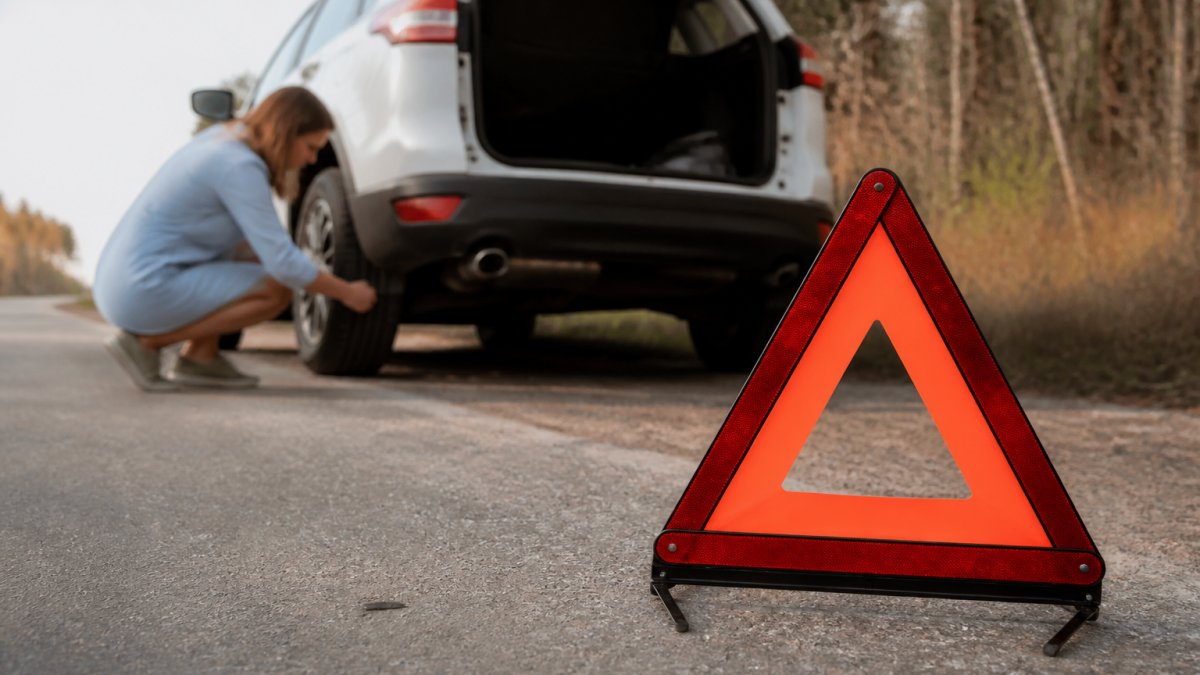
Turn on hazard lights and any warning devices you have
Move behind a barrier or well off the shoulder if it's safe
Keep clear of traffic at all times
Stay visible, and wave the driver down when the truck nears
When the Promised ETA Is Missed: Next Steps
Call dispatch back and ask for a fresh window and a reason. A missed ETA is common and usually has a plain cause: a priority call ahead of you, a traffic snarl, or a truck reassigned.
When you call, get specifics:
The new estimated arrival time
Whether the same truck is still coming
What happens if it slips again
If a provider keeps pushing the window with no explanation, you're within your rights to ask what's happening and to look at alternatives. Insurance and motor-club dispatches can add their own delay, since the request passes through a third party before it reaches a truck. If you called through a club or insurer, follow up with them too, not just the tow company.
Conclusion
A realistic emergency towing plan starts with honest expectations: usually 30 to 60 minutes, shaped by traffic, weather, distance, and how busy the trucks are. The wait is far easier to handle when you know what's driving it and what to do in the meantime.
When you need a truck that shows up when it says it will, SJ's Towing is a reliable choice. We're a family-run team offering 24/7 service, fast and on-time arrival, and some of the lowest rates around. Our drivers treat every vehicle with care and keep you updated while you wait.
Get a quote from SJ's Towing and get help moving toward you.
Frequently Asked Questions
How long does it take to activate roadside assistance?
Activation usually takes a few minutes once you reach a dispatcher. You will need to provide your location, vehicle details, and a description of the problem. Dispatch then assigns the nearest available truck and gives you an ETA. In busy periods or severe weather, activation can take longer because dispatchers handle more calls. Having your information ready before you call speeds up the process and helps the dispatcher give you a more accurate towing response time estimate.
What factors affect how quickly a tow truck arrives?
Several things influence factors affecting tow truck arrival time: traffic conditions, weather, distance from the dispatch base, time of day, and how many other calls the company is handling. Highway collisions and winter storms can push wait times higher. Service area coverage also matters, since rural or edge-of-region locations take longer to reach. When you call, ask the dispatcher which of these are currently affecting your estimated arrival time so you can plan accordingly.
Should I call the towing company if the estimated arrival time passes?
Yes. If the roadside assistance ETA has passed with no update, call the dispatcher back. Provide your name, location, and the original estimate. Ask whether the truck has been delayed and request a new ETA. Reputable companies track their trucks and can tell you where the driver is. If you are in an unsafe spot, say so clearly so dispatch can prioritize your call or advise you on immediate safety steps while you wait.
What information should I give when requesting emergency towing?
Give your exact location, including the road, direction of travel, and nearest exit or landmark. Describe the vehicle make, model, color, and plate, plus whether it is blocking traffic. Explain the problem: flat tire, dead battery, collision, or mechanical failure. Mention any hazards like leaking fluid or passengers stranded. Confirm the ETA and ask for the driver's name and truck number. Clear details help dispatch send the right equipment and reduce delays.
GET A QUOTE
Add sjstowing.com as a preferred source on Google →

Comments